
Loading...
Serving Indio, CA and surrounding areas. (442) 215-3899
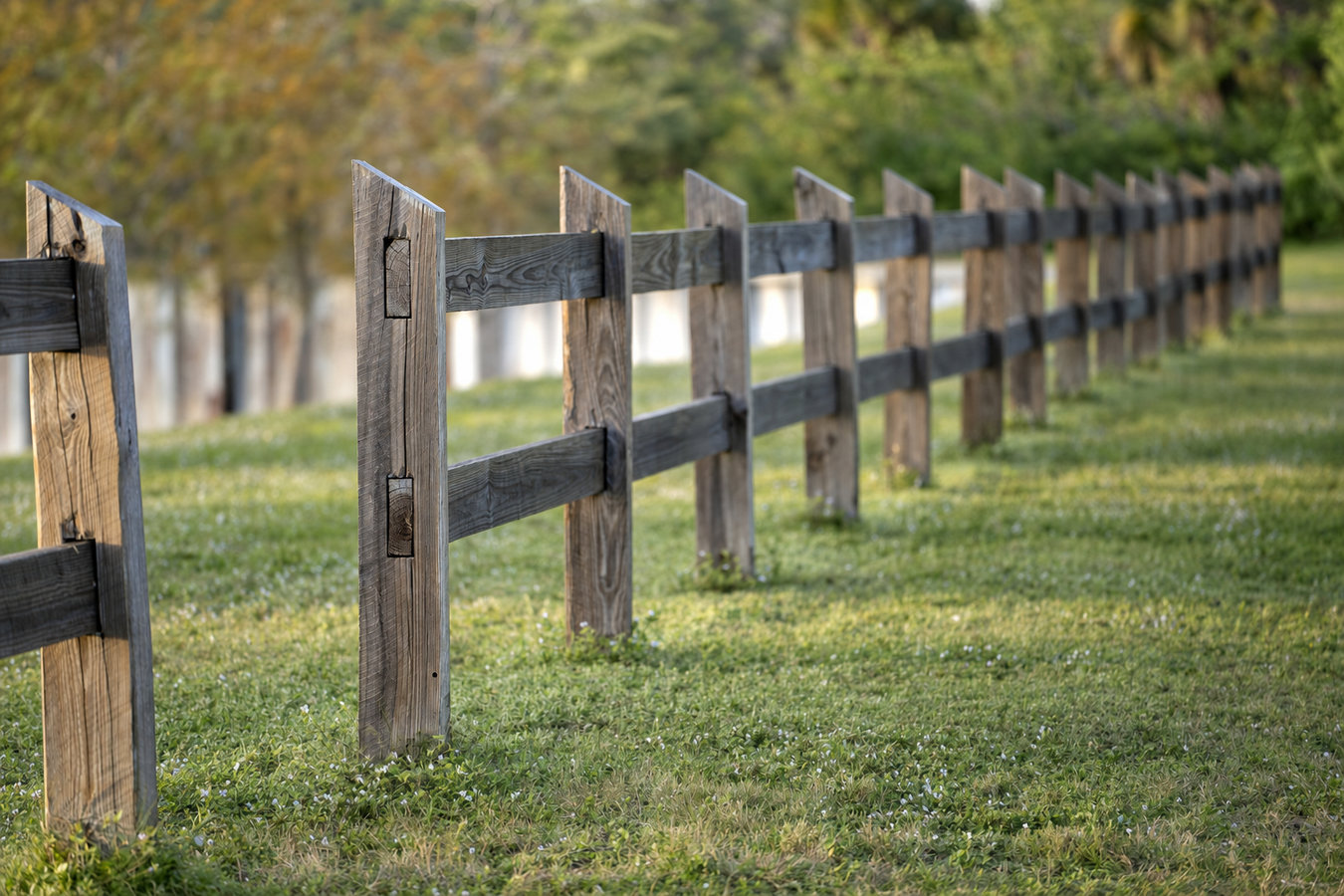
Standard fence materials fail fast in Coachella Valley heat and caliche soil. We use desert-rated wire, pipe, and panels - and set posts deep enough to stay solid through wind season.
Farm and ranch fencing in Indio, CA includes perimeter fencing to contain livestock, cross-fencing to divide pastures, and barrier fencing to protect crops or equipment from wildlife - most residential-scale installations on one- to five-acre parcels are completed in one to three days once the crew is on-site. The job is different from a backyard fence in three important ways: scale, post depth, and material requirements. Indio's caliche soil and extreme UV exposure mean that materials and installation methods that work fine elsewhere can fail quickly here. For pet owners with smaller acreage, our pet and dog fencing service handles containment on a tighter footprint with the same desert-appropriate materials.
Indio has deep agricultural roots - date palm farms have shaped the valley for over a century, and the area still has equestrian properties, small livestock operations, and working agricultural parcels alongside its newer residential developments. Contractors who have worked on properties here understand the local soil, the seasonal wind patterns, and how wildlife like coyotes test fence lines. That local knowledge makes a concrete difference in how a fence is designed, quoted, and built.
If you can push on a post and feel it move, the foundation has failed. In Indio's caliche soil, this often happens when posts were not set deep enough to get below the hard crust layer, or when a post sits in a low spot that collects water during rare but intense rain events. A leaning post is not just cosmetic - it means the fence line is losing tension and will fail faster from here.
If livestock have pushed through, gone under, or found gaps in your current fence, the fence is not doing its job. Coyotes are common in the Coachella Valley and will test fence lines repeatedly once they find a weak point. If you are losing poultry or small animals, the fence design itself may need to change, not just the condition.
Visible sag in wire fencing means the tension has been lost - either the wire stretched, the staples pulled out, or the posts shifted. Animals learn quickly that a sagging section is the weak point. At this stage a section-by-section repair is often less cost-effective than a full replacement of the affected run.
Indio's intense UV exposure and late-summer humidity spikes accelerate corrosion on wire and hardware that was not rated for desert conditions. If you can see orange rust streaks, flaking coating, or wire that snaps rather than bends when you flex it, the material has reached the end of its useful life. Patching rusted wire buys months, not years.
We handle farm fencing projects from single-parcel perimeters to multi-zone cross-fencing layouts for rotational grazing or divided livestock areas. That includes new installations on open land, full replacements of fencing that has rusted out or been damaged by wind, and partial repairs when a specific section has failed. For homeowners who need a simpler, cost-effective containment option without the agricultural scale, our chain link fence installation service is a practical alternative for smaller lots and property-line enclosures.
Material choices are guided by what performs in this specific climate - not just what is cheapest on paper. Galvanized and vinyl-coated welded wire, high-tensile wire, and steel pipe-and-cable systems are the materials we reach for in the Coachella Valley. We also install walk and drive gates as part of every project, sized and hinged correctly for the span and the expected daily use, because undersized gate hardware is one of the most common points of failure on lower-bid farm fence jobs. Before any post goes in, we call 811 to have underground utilities flagged - a legal requirement in California and an important step on properties with irrigation infrastructure.
Suited to any Indio property that needs a defined, animal-tight boundary using galvanized wire or pipe-and-cable systems built for desert heat.
Ideal for property owners managing rotational grazing or who need to separate livestock species or ages with interior fence lines.
Designed for properties in the Coachella Valley where coyotes, jackrabbits, or other wildlife regularly test perimeter fencing for gaps and weak points.
Walk and drive gates installed with hardware rated for daily use and desert wind loading, sized correctly for the span so they do not sag or bind over time.
Indio's extreme heat and UV exposure are the first challenge - temperatures above 110 degrees Fahrenheit are common for weeks in July and August, and that intensity degrades wood fencing, plastic components, and bare wire faster than almost anywhere else in California. The second challenge is the soil. Much of the Coachella Valley sits on a caliche layer - a rock-hard, calcium-rich crust just below the surface - that requires specialized augering equipment to penetrate. Posts set above it feel solid at installation but start to lean after the first wind season or heavy rain. Contractors working in this area need to know how to plan for it, price for it, and execute against it. Homeowners in Coachella and Thermal face the same conditions, and we work across both communities regularly.
Irrigation is another factor specific to this area. Indio and the surrounding Coachella Valley have extensive underground irrigation infrastructure - drip lines, lateral pipes, and connections to the Coachella Valley Water District - that can be damaged during post installation if no one maps it before digging starts. We ask about irrigation infrastructure at the estimate visit and factor it into the installation plan. The University of California Agriculture and Natural Resources program publishes guidance on desert-appropriate fencing materials and practices that we refer to when advising property owners on material selection for their specific use case. The Coachella Valley also sees powerful spring wind events that put real stress on fence panels and gate hardware - another reason post depth and hardware selection matter more here than in calmer climates.
We will ask about your acreage, what you need to contain or keep out, and whether you have had issues with your current fence. We respond within 1 business day to schedule a free on-site assessment - remote quotes for desert farm fencing are rarely accurate.
We walk your property line to measure the fence run, check soil conditions, identify gate locations, and spot any obstacles like irrigation lines or dry washes. In Indio, this step often reveals caliche layers that affect how the job is planned and priced. You get a written estimate broken down by materials, labor, and any permit costs.
If your project requires a permit, we handle the application. Before any digging begins, we call 811 to have underground utilities flagged - California law requires this step. You move animals away from the work zone and clear the fence line; we bring everything else.
Posts go in first, augered to correct depth for local soil conditions. Wire or panels are attached next, then gates. Before we leave, walk the entire line with us - confirm posts are solid, wire is taut, and every gate opens, closes, and latches without forcing. Your animals can return the same day.
We walk your land, check the soil, and give you a written quote broken down by materials, labor, and gates - no lump sums and no surprises on the final invoice.
(442) 215-3899We have set fence posts through the Coachella Valley's hard caliche layer enough times to price it accurately and plan for it from the start. Contractors unfamiliar with local soil conditions often underestimate the job and come back with added charges. We do not.
Wood warps, bare wire rusts, and light coatings fade in Indio's UV and heat. We recommend galvanized or vinyl-coated wire, heavy-gauge panels, and powder-coated gate hardware that the University of California Agriculture and Natural Resources program identifies as appropriate for desert agricultural conditions.
Every project we take on is backed by a current California C-13 fencing contractor license. You receive a written estimate covering materials, labor, gates, and any permit fees before any post goes in - so the number you see at the start is the number on the final invoice.
Gates are the highest-wear part of any farm fence - they take animal pressure, daily use, and Coachella Valley wind loading that the rest of the fence never sees. We size gate posts and hinge hardware specifically for the span and expected use, so the gate does not sag or fail within the first few seasons.
Every one of these details connects to how your fence performs not just on day one but after several Indio summers, a few wind seasons, and the occasional heavy monsoon rain. A fence built for these conditions is an investment that holds its value. One that was not is a recurring repair bill.
Smaller-scale containment fencing for dogs and other pets in Indio yards, built to handle the same desert soil and heat conditions as agricultural perimeter work.
Learn MoreGalvanized and vinyl-coated chain link is a cost-effective option for property perimeters, cross-fencing, and keeping livestock separated on smaller parcels.
Learn MoreSpring wind season puts fences to the test - reach out today and we will schedule your free on-site estimate before the schedule fills up.